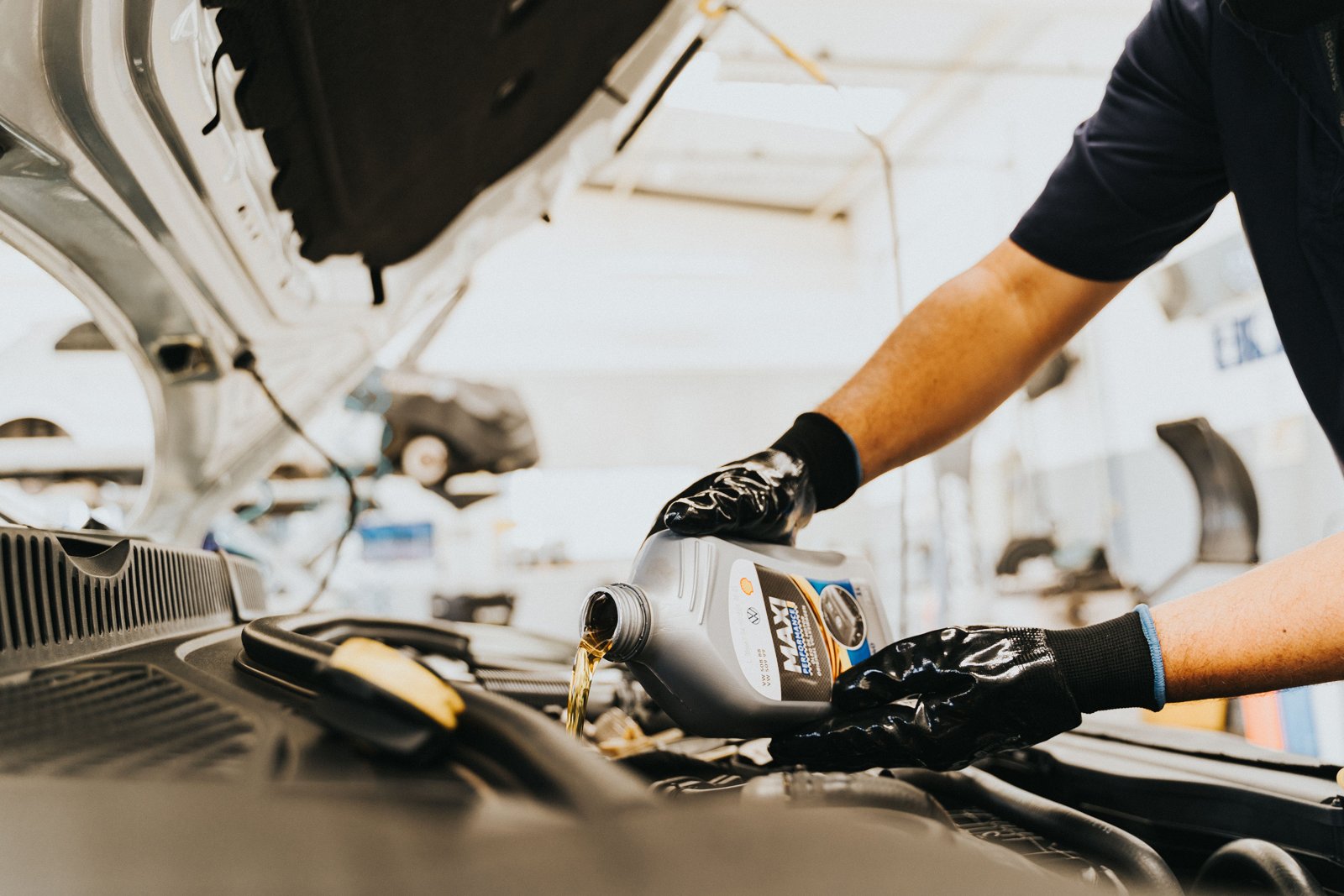
Checking the engine oil level regularly helps drivers spot oil loss early. For a reliable reading, consider where the vehicle is parked, the condition of the engine and the measurement method specified by its manufacturer. This guide provides general maintenance information; the procedure in your vehicle’s handbook always takes priority.
Before taking a reading
Park on level ground, switch off the engine and wait for the time specified in the handbook so the oil can drain back into the sump. Castrol’s general guidance mentions a wait of around 10 minutes, but this is not a fixed rule for every engine. Avoid hot surfaces in the engine compartment and keep clear of moving components.
If the vehicle has a dipstick, remove it and wipe it with a clean, lint-free cloth. Insert it fully, then withdraw it again to read the level. The oil mark should be between the minimum and maximum marks. Repeat the check if the reading is unclear; do not add oil on the basis of a reading taken on sloping ground.
How should you top up?
If the level is low, use only engine oil that meets the viscosity and performance approvals required by the vehicle manufacturer. Matching viscosity on the packaging does not make an oil suitable for every engine. Confirm the specification in the handbook or authorised service information. Do not simply use a product recommended for a different car.
Add small amounts, allow the oil to drain down and check the level again. Do not exceed the maximum mark. Keeping track of how much you add can help assess suspected consumption or leaks at the next check. Refit the filler cap and dipstick properly afterwards, and clean up any spilled oil appropriately.
Electronic measurement and warning lights
Some cars show the level through an electronic menu instead of a dipstick. These systems may require different engine temperatures or waiting conditions. Follow the on-screen instructions; an old reading displayed before measurement finishes is not a new result. Do not confuse the oil level display with the service interval indicator.
A repeatedly falling level, oil marks beneath the vehicle or an unusual warning requires professional inspection. Adding oil does not remove the cause. An oil pressure warning must not be treated as a simple level reminder: stop safely and follow the warning instructions in the handbook. Regular level checks do not replace the manufacturer’s scheduled oil and filter changes.
Photo: Daniel Andraski / Pexels. A real stock photograph relevant to the subject; it does not represent a specific model. Used under the Pexels licence.
Sources: Castrol — checking engine oil; Castrol — car maintenance. Prepared and sources checked: 24 October 2026. This is a maintenance guide, not a report of a current event.
Leave a Reply