Tyre pressure should not be checked only when a tyre looks flat. Maintaining the vehicle manufacturer’s recommended pressure matters for carrying the load, road holding and even wear. The basic habit is to measure it monthly and check it again before a long journey.
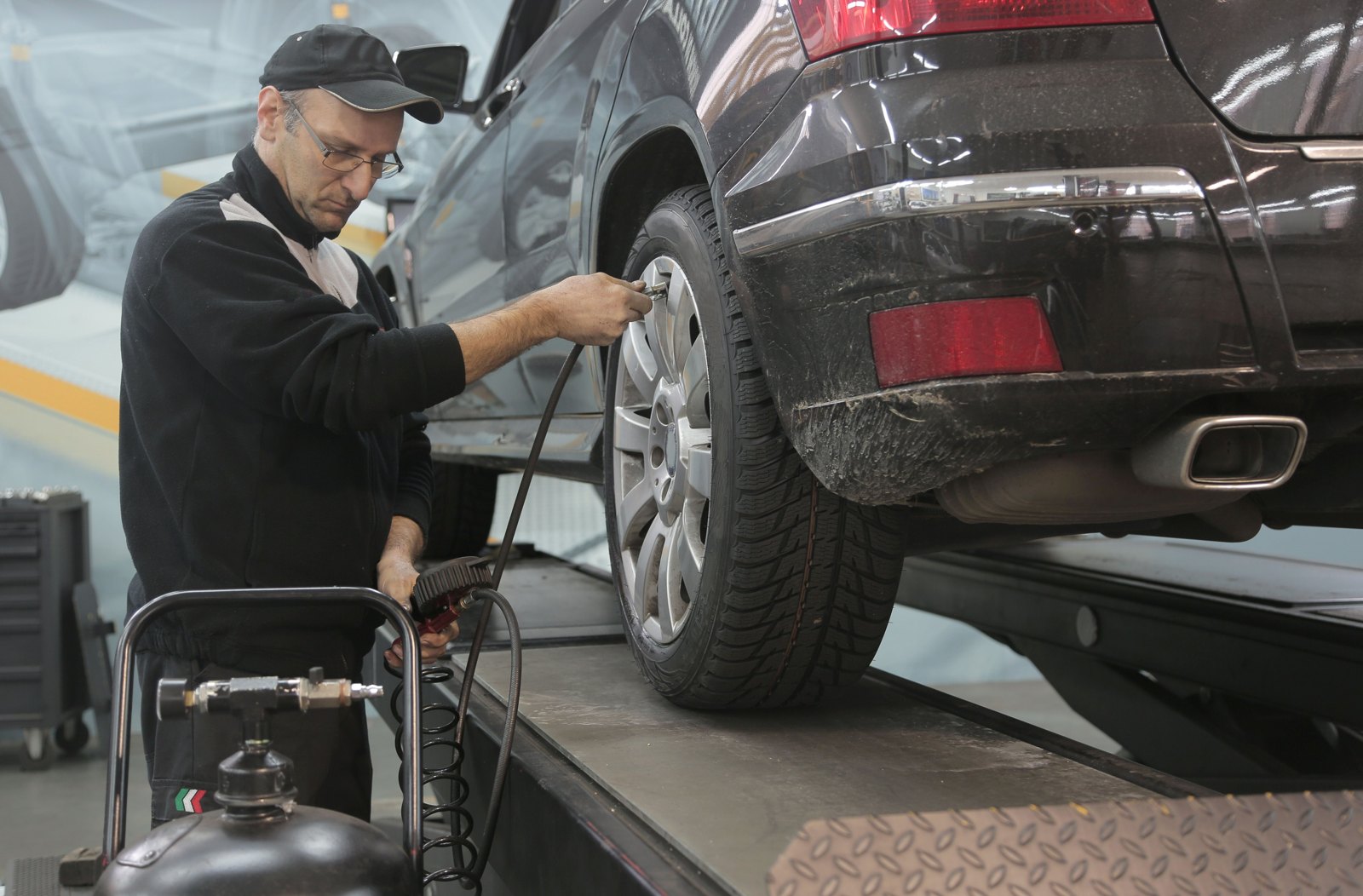
Take readings with cold tyres
Michelin recommends checking pressures when tyres are cold. Driving warms them and can change the reading, so measure before setting off where possible. If the vehicle has just been driven, allow the tyres to cool. Do not release air from a warm tyre just to reduce its reading to the target specified for a cold tyre.
The correct figures can be found in the vehicle handbook and, depending on the model, on a label in the door opening or fuel filler area. Information on the tyre sidewall is not the same as the recommended everyday pressure for your vehicle. Front and rear axles may require different values. No single psi or bar figure suits every car.
Consider the load and check every tyre
The manufacturer’s table may distinguish normal use from full-load use with more passengers and luggage. Before travelling, choose the row that matches the vehicle’s actual load. Make sure the gauge uses the same units as the label. Comparing bar directly with psi can lead to an incorrect pressure setting.
Measure all four tyres and adjust them if necessary. If the vehicle carries an inflatable spare, check its instructions too: it may require a different pressure. Refit the valve caps afterwards. Use a reliable gauge known to read accurately where possible, and repeat any unexpected measurement.
Does a warning system replace regular measurement?
A tyre pressure monitoring warning requires a physical check. Do not simply reset the display and continue driving. First inspect the pressures and tyre condition; if a reset is required after correcting them, follow the vehicle’s procedure. Having the system does not remove the need for monthly checks.
If one tyre loses air faster than the others or drops again soon afterwards, have the tyre, valve and wheel professionally inspected. Repeatedly adding air does not fix the cause. Do not assume the vehicle is safe to drive with visible damage or significant pressure loss; obtain assistance in line with the vehicle and tyre instructions.
Changes in air temperature can affect readings, so do not skip checks when the seasons change. In winter, start with the vehicle manufacturer’s recommendation for the load and tyres. Rather than applying a fixed extra pressure yourself, consider the vehicle and tyre manufacturers’ information for the relevant conditions together.
Real photograph: Andrea Piacquadio / Pexels, Pexels licence.
Sources: Michelin — checking tyre pressure; inflating tyres; winter tyre pressure. Sources checked: 24 October 2026. This is a maintenance guide.
Leave a Reply